
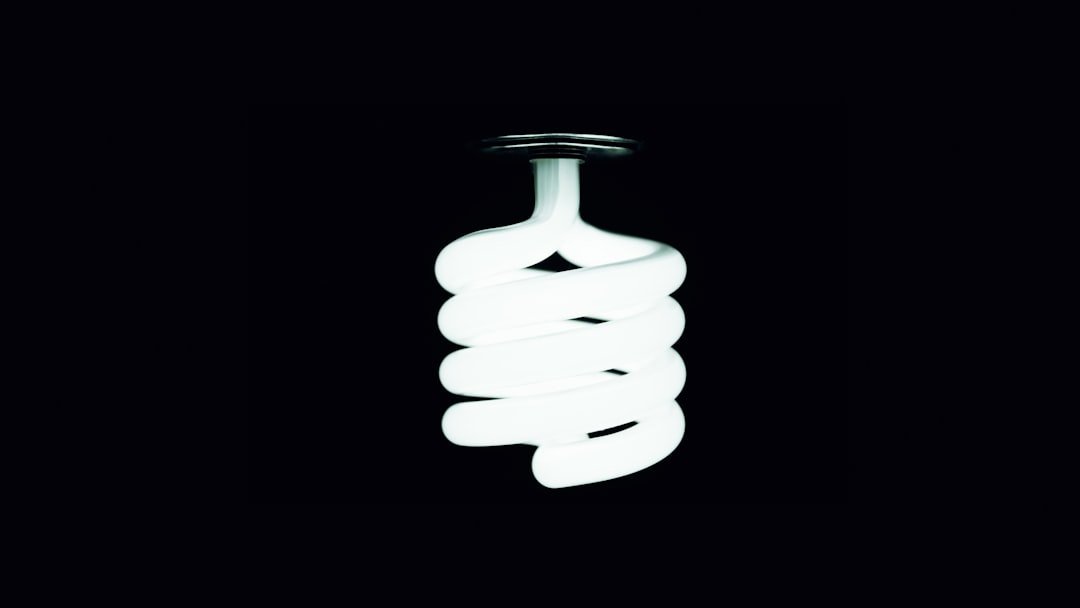

Why Upgrade Your Home Lighting in 2026?
Lighting accounts for approximately 15% of the average UK household’s electricity consumption. With energy prices remaining unpredictable and Ofgem price caps continuing to fluctuate, now is the perfect time to invest in energy-efficient lighting solutions. Not only will upgrading your bulbs reduce your energy bills, but modern lighting technology also offers superior performance, longer lifespan, and enhanced home ambience compared to traditional incandescent and halogen bulbs.
The good news? Energy-efficient lighting has become significantly more affordable since 2024. You can now create a fully lit home without breaking the bank, and the return on investment typically occurs within months rather than years.
LED Bulbs: The Gold Standard for 2026
LED (Light Emitting Diode) technology remains the most effective choice for reducing energy consumption in 2026. LEDs use approximately 80% less energy than traditional incandescent bulbs whilst delivering superior brightness and durability.
When selecting LEDs for your home, consider these key factors:
- Lumens, not watts: Look for lumens (brightness) rather than wattage. A 10W LED typically produces similar brightness to a 60W incandescent bulb.
- Colour temperature: Choose 2700K (warm white) for living areas and bedrooms, 4000K (cool white) for kitchens and bathrooms, and 5000K (daylight) for task lighting.
- Dimmable options: Invest in dimmable LEDs if you want flexibility. Check compatibility with your existing dimmer switches.
- Certification: Buy bulbs certified by reputable UK retailers to ensure quality and longevity.
Quality LED bulbs now last 25,000-50,000 hours, meaning you’ll rarely need replacement. This longevity, combined with reduced energy consumption, makes LEDs extraordinarily cost-effective despite higher upfront costs.
Smart Lighting Systems for Maximum Savings
Smart lighting represents the cutting edge of home energy efficiency. These systems integrate with mobile apps, voice assistants, and automation routines to optimise your energy usage intelligently.
Popular smart lighting options include:
- Philips Hue: Premium option offering extensive colour control and automation capabilities. Integration with major UK smart home platforms.
- LIFX: Excellent value alternative with similar features at lower price points. No hub required for basic functionality.
- Nanoleaf: Budget-friendly option perfect for renters and those new to smart home technology.
- Amazon Alexa-compatible bulbs: Affordable entry point if you already own Alexa devices.
Smart lighting savings come from automation features like scheduling lights to turn off automatically, dimming based on natural daylight, and eliminating forgotten lights. Studies suggest smart lighting systems can reduce energy consumption by an additional 10-15% compared to standard LEDs.
Choosing the Right Fixtures and Fittings
Beyond bulbs, your fixtures significantly impact energy efficiency. Consider these upgrades:
- Reflectors and diffusers: Properly designed fittings direct light where needed, reducing wasted illumination and allowing you to use lower-wattage bulbs.
- Integrated LED fittings: Modern ceiling lights, wall lights, and pendant fittings come with built-in LEDs. Whilst you cannot replace individual bulbs, the entire fitting’s efficiency is optimised.
- Motion-sensor lighting: Perfect for hallways, bathrooms, and outdoor spaces. These automatically turn off when rooms are unoccupied, preventing energy waste.
- Desk and task lighting: Concentrated LED task lights use less energy than lighting entire rooms for single activities.
Budget-Friendly Lighting Upgrades
You need not spend a fortune upgrading your home’s lighting. Strategic, phased replacements work perfectly well:
- Start with high-use areas: Replace bulbs in rooms used most frequently first. Kitchens, living rooms, and bedrooms offer the greatest savings potential.
- Replace as bulbs fail: Rather than replacing everything simultaneously, substitute LEDs when existing bulbs expire. This spreads costs across months.
- Shop strategically: Supermarkets often offer competitive LED pricing. B&Q, Screwfix, and Amazon provide excellent value, particularly during sales periods.
- Consider energy grants: Check whether you qualify for energy efficiency grants through your local council or national schemes.
A typical home using 50 light bulbs might spend £40-60 upgrading to quality LEDs. With electricity costing approximately 24p per kWh (based on current Ofgem price caps), switching just 10 regularly-used bulbs to LEDs saves roughly £8-12 annually.
Maximising Your Lighting Efficiency
Beyond bulb selection, these habits amplify your energy savings:
- Declutter and clean: Remove unnecessary items from around light fixtures. Dusty bulbs and shades reduce brightness by up to 25%, forcing you to use more lights or higher settings.
- Use natural daylight: Keep curtains and blinds open during daylight hours. Consider reflective surfaces to bounce natural light deeper into rooms.
- Zone your lighting: Install separate switches or dimmers for different areas. You’ll naturally use fewer lights when you control specific zones rather than entire rooms.
- Reduce unnecessary lighting: Not every room requires constant illumination. Be intentional about when and where you use electric lighting.
Environmental and Financial Benefits
Upgrading to energy-efficient lighting benefits both your wallet and the environment. Reduced electricity consumption means lower carbon emissions, supporting the UK’s net-zero targets. According to Ofgem data, the average household can reduce annual energy bills by £50-100 through comprehensive lighting upgrades alone.
For those on fixed-rate energy tariffs, these savings are guaranteed. For those on variable rates, efficient lighting provides a hedge against future price fluctuations. Whatever your supplier, energy efficiency represents your most reliable protection against rising energy costs.
Take Action Today
Energy-efficient lighting represents one of the easiest, quickest wins in reducing your energy bills. The technology is proven, affordable, and increasingly accessible across UK retailers.
Begin your upgrade journey today. Start by assessing which areas of your home would benefit most from LED conversion, then gradually transition your lighting. Within months, you’ll notice meaningful reductions in your energy consumption and monthly bills. For comprehensive energy-saving advice and current supplier comparisons, explore independent energy switching resources to combine lighting efficiency with optimised tariffs. Your future self will thank you for the decision.



0 Comments