
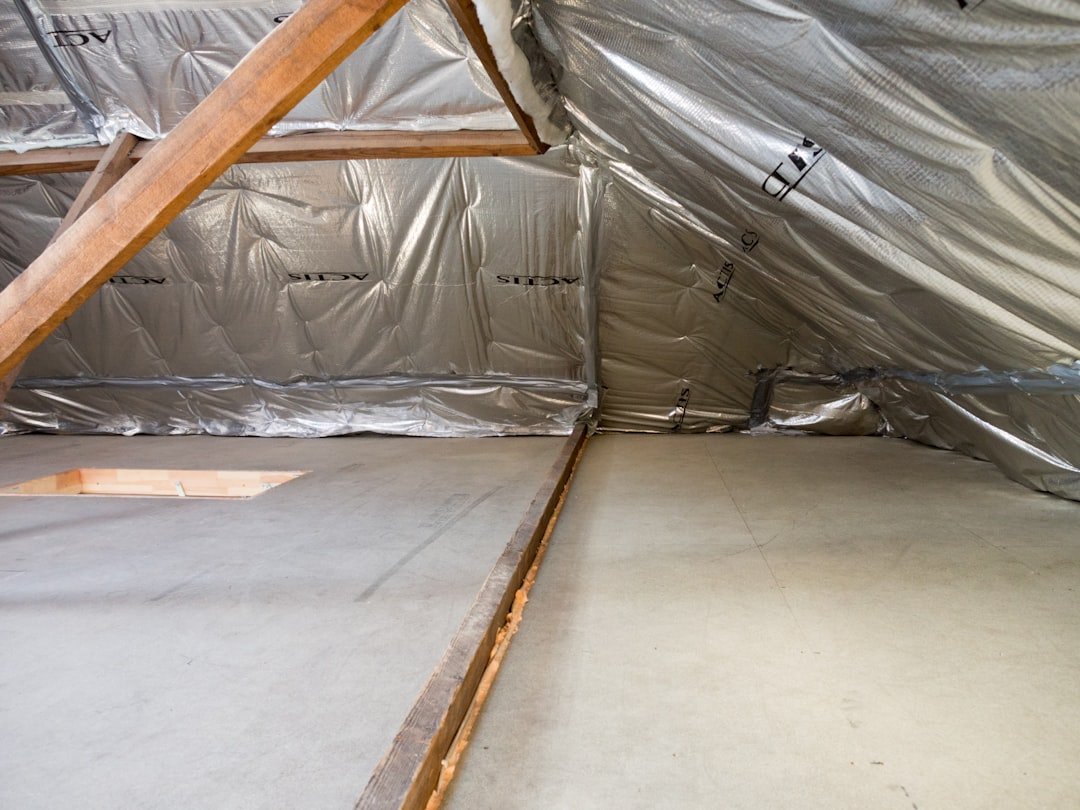

Why Loft Insulation Matters for Your Energy Bills
If you’re worried about rising energy costs following Ofgem price cap increases, you’re not alone. Many UK households are desperately seeking ways to reduce their energy consumption without compromising comfort. One of the most effective solutions sits right above your head: proper loft insulation.
Heat rises, and without adequate insulation, up to 25% of your home’s warmth escapes through the roof. This means you’re literally paying to heat the sky. Installing or upgrading loft insulation is one of the quickest ways to see tangible savings on your energy bills, with many homeowners reporting reductions of 10-15% on annual heating costs, and in some cases, even up to 50% when combined with other efficiency measures.
Understanding Current Insulation Standards
The UK Building Regulations recommend loft insulation of at least 270mm thickness for new properties. However, many older homes have significantly less—sometimes just 50mm or none at all. If your loft insulation hasn’t been upgraded in over a decade, you’re almost certainly losing money.
Check your current insulation by visiting your loft on a dry day. Modern standards suggest:
- Minimum 270mm for new builds and major renovations
- 300mm thickness for optimal energy efficiency
- At least 150mm as a bare minimum for older properties
Many properties built before 2000 fall well below these standards, making them prime candidates for upgrade work.
Types of Loft Insulation Available
The market offers several insulation materials, each with different costs and benefits:
- Fibreglass batts and rolls: The most affordable option at £2-5 per square metre. Easy to install but requires protective equipment.
- Mineral wool: Slightly more expensive (£3-6 per square metre) but offers better soundproofing alongside thermal benefits.
- Sheep’s wool: Premium option at £8-15 per square metre. Fully natural, breathable, and excellent for period properties.
- Blown-in cellulose: Professional installation recommended at £5-10 per square metre. Fills awkward spaces perfectly.
- Rigid foam boards: Premium choice at £10-20 per square metre. Excellent insulation value in minimal thickness.
For most UK homeowners, fibreglass or mineral wool offers the best value-for-money balance.
Calculating Your Potential Savings
Let’s look at real numbers. The average UK household spends approximately £1,500 annually on heating (based on current Ofgem price cap rates for a typical 3-bedroom semi-detached house). If loft insulation reduces this by just 15%, you’re looking at £225 savings per year.
Installation costs typically range from £300-£500 for a standard loft, meaning you could recoup your investment within just 2-3 years. After that, it’s pure savings—and the insulation will protect your home for 40+ years.
The Government’s Energy Performance Certificate (EPC) scheme recognises these benefits. Improving your loft insulation can increase your property’s EPC rating, potentially increasing its market value by 2-5%.
Government Grants and Support Schemes
The good news is you don’t necessarily have to pay the full cost yourself. Several government schemes can help:
- Energy Company Obligation (ECO): Major energy suppliers must fund energy efficiency improvements for eligible households. This could mean free or heavily subsidised loft insulation.
- Great British Insulation Scheme: Launched to help with heating costs, this scheme provides vouchers towards insulation work.
- Local council schemes: Some councils offer grants or low-interest loans for energy efficiency improvements.
- Warm Home Discount: If you’re vulnerable to fuel poverty, you may qualify for direct financial support.
Check your eligibility on the Government’s Energy Savings Trust website or contact your local council. Many suppliers like British Gas, EDF, and Octopus Energy actively promote ECO schemes and can often arrange free surveys.
Installation: DIY vs. Professional
If you’re handy, installing fibreglass insulation yourself can save £200-300 in labour costs. However, there are important considerations:
- Proper ventilation is crucial to prevent condensation and mould. Professional installers understand building regulations requirements.
- Inadequate installation wastes money. Gaps and compression reduce effectiveness significantly.
- Some grant schemes require professional installation to maintain warranty validity.
- Access and safety risks may require professional equipment and expertise.
We recommend obtaining at least three quotes from qualified installers. Check they’re FENSA registered or certified by the National Insulation Association (NIA) to ensure quality standards.
Maximising Your Energy Savings
While loft insulation alone can substantially reduce bills, combining it with other measures maximises impact:
- Upgrade to a smart thermostat (saves 15% on heating)
- Insulate pipes in the loft to prevent heat loss
- Seal loft hatches to eliminate draughts
- Consider wall cavity insulation if your home has cavities
- Install draught-proofing around doors and windows
- Review your energy tariff with Ofgem-approved price comparison tools
Together, these measures could realistically halve your heating bills while improving comfort.
Important Considerations Before Starting
Check for asbestos in older properties before disturbing existing insulation. Surveys cost £200-400 but are essential if your property was built before 1990. Always hire licensed professionals for removal.
Ensure adequate loft ventilation is maintained—improper ventilation can cause structural damage from condensation. Modern breathable membranes protect against water whilst allowing air circulation.
Verify your loft can structurally support walking on insulation, or install proper flooring boards before laying new materials.
Taking Action Today
Loft insulation represents one of the most cost-effective home improvements available. With potential savings of £200-300 annually, government grants available, and installation completed in just one or two days, there’s no time like the present to act.
Start by booking a free survey with an accredited installer to understand your current insulation status and realistic savings potential. Most major energy suppliers offer these free through ECO schemes. Visit the Energy Savings Trust website to find approved installers in your area and check your grant eligibility today. Your warmer, more affordable home awaits.



0 Comments